Showing posts with label video. Show all posts

The Mystery Behind Google Maps' Black Smudge: A Look into its Disappearance

Google Maps, a powerful tool for navigation and exploration, has evolved significantly over the years. However, prior to 2012, keen-eyed users might have noticed something peculiar – certain areas on the map were concealed by a big black smudge. This censorship raised questions about why these areas were hidden and what led to their eventual disappearance. Let's delve into the intriguing history behind this phenomenon.

The Purpose of the Black Smudge 

How 0% Interest Rates Has Caused The Next High Yield Bubble (Video)

How 0% Interest Rates Cause Hedge Funds to Chase Emerging Markets & Oil Yield
The strong dollar is causing commodities including oil to crash. 

real conversations with David Stockman

The phenomenon of low or 0% interest rates potentially leading to a high yield bubble is an interesting topic that touches on various aspects of financial markets and economic behavior. Here’s a breakdown of how this can happen:

  1. Lower Cost of Borrowing: When interest rates are near zero, borrowing costs are significantly reduced. This makes it cheaper for companies and investors to take on debt. As a result, businesses may issue more bonds to finance expansion or other projects, and investors may seek higher returns by investing in these bonds.

  2. Search for Yield: With traditional savings accounts and government bonds offering very low returns, investors often look for higher yields in riskier assets. This search for yield can drive up prices in riskier bond markets, such as high-yield (junk) bonds, as investors are willing to accept lower credit quality for higher returns.

  3. Increased Demand for High-Yield Bonds: The increase in demand for higher yields can lead to an inflow of capital into high-yield bonds. This demand pushes prices up and yields down, making high-yield bonds look even more attractive. However, this also means that these bonds may become overpriced relative to their risk.

  4. Risk-Taking Behavior: With the cost of borrowing so low, there is often a tendency for both institutional and retail investors to take on more risk than they would otherwise. This can lead to the issuance of lower-quality bonds and an increase in speculative investments, as investors chase higher returns.

  5. Market Distortions: Prolonged periods of low interest rates can distort market signals. Companies that may not have been able to issue bonds at higher rates might now issue debt at low rates, potentially leading to an oversupply of bonds with lower credit quality. This can mask underlying financial weaknesses and create an environment ripe for a bubble.

  6. Potential for a Bubble Burst: When the economic conditions change or interest rates eventually rise, the prices of these high-yield bonds can drop sharply. Investors who bought these bonds at inflated prices may face significant losses, leading to a correction or crash in the high-yield bond market. This scenario can be exacerbated if many investors attempt to sell their bonds simultaneously, leading to a liquidity crisis.

  7. Feedback Loops: The interplay between low interest rates, increased borrowing, and the search for yield can create feedback loops that amplify the bubble. As asset prices rise, confidence grows, leading to more borrowing and investment in high-yield assets, further inflating the bubble.

Understanding these dynamics is crucial for investors and policymakers to anticipate and mitigate the risks associated with a high-yield bubble. Proper risk management, diversification, and careful monitoring of market conditions are essential strategies to navigate such environments.

Why Don't More People Live On The Upper West Coast?


The western coast of the United States accommodates a vast population of over 50 million Americans. Stretching from the southern cities of San Diego and Los Angeles, through the central California metro areas of San Francisco and Sacramento, and further north to Portland and Seattle, approximately 1 in every 6 Americans calls this region home. Despite its high population density, there exists a significant expanse between the Bay Area and Portland, Oregon, which remains sparsely inhabited. In this video, we will delve into the reasons behind the limited human settlement in this area, which I refer to as the "Empty West."

The sparsely populated areas of the upper west coast of the USA can be attributed to several factors:

Musical Maps Are Amazing: 10 Steps To Make Musical MIDI Art

World Map of Music

Creating musical MIDI art involves combining music and visual art in a way that produces visually appealing images or patterns when viewed as MIDI data. MIDI art is a creative and artistic endeavor that requires some familiarity with music composition and MIDI editing software. Here are the general steps to make musical MIDI art:

Mapping Public Safety Helps People See What Others Can't


This video kind of explains what we do and why we do it.  However, its our belief that sharing this data with the public is more important than controlling the information and only letting a few decision makers allow who sees this information.  

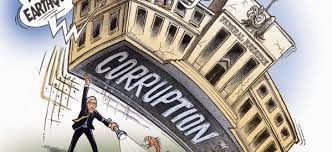
Federal Reserve Whistleblower Says "Insiders Know Quantitative Easing Doesn't Work"

Andrew Huszar: WSJ Oped:  Confessions of a Quantitative Easer We went on a bond-buying spree that was supposed to help Main Street. Instead, it was a feast for Wall Street.  Posted at the WSJ. Mr. Huszar, a senior fellow at Rutgers Business School, is a former Morgan Stanley managing director. In 2009-10, he managed the Federal Reserve's $1.25 trillion agency mortgage-backed security purchase program. 

In a startling revelation that has sent ripples through the financial community, a whistleblower from the Federal Reserve has come forward with allegations that senior officials within the institution are well aware that Quantitative Easing (QE) does not effectively stimulate economic growth as intended. The whistleblower, who has chosen to remain anonymous for fear of retaliation, claims that the longstanding policy of purchasing long-term securities to inject liquidity into the financial system has been largely ineffective in achieving its goals.

Quantitative Easing, introduced by the Federal Reserve in response to the 2008 financial crisis, was designed to lower interest rates and increase the money supply to stimulate economic activity. By buying vast quantities of government and mortgage-backed securities, the Fed aimed to drive down long-term interest rates, thereby encouraging borrowing and investing. The policy was expanded and maintained through several rounds of QE, especially following the economic downturn and during the COVID-19 pandemic, as the Fed sought to support the economy in the face of unprecedented challenges.

However, according to the whistleblower, the intended effects of QE have been largely superficial and, in some cases, counterproductive. The source claims that insiders have long known that the policy has failed to generate the expected inflationary pressures or significantly boost economic growth. Instead, it has primarily served to inflate asset prices, contributing to growing wealth inequality and distorting financial markets.

The whistleblower pointed to several key issues with QE. One major concern is that the policy has primarily benefited large financial institutions and wealthy individuals, who have seen their asset holdings appreciate substantially. Meanwhile, middle- and lower-income households have not experienced the same benefits, leading to a widening wealth gap. Critics argue that QE has contributed to asset bubbles in markets such as real estate and stocks, potentially setting the stage for future financial instability.

Furthermore, the whistleblower suggested that the Federal Reserve’s focus on monetary policy has overshadowed the need for more comprehensive fiscal measures to address economic challenges. The lack of coordinated fiscal policy, the whistleblower argues, has left the economy vulnerable to shocks and has hindered efforts to achieve sustainable, broad-based growth.

The revelations have sparked a heated debate among economists, policymakers, and the public. Some experts argue that the whistleblower's claims highlight the need for a reevaluation of the Federal Reserve’s approach to economic policy, advocating for more targeted interventions that address the root causes of economic inequality and promote inclusive growth. Others defend the Fed’s actions, contending that QE was a necessary and effective tool given the extraordinary circumstances of the past decade.

As the debate continues, the question remains whether the Federal Reserve will take the whistleblower’s concerns into account and consider a shift in its policy framework. For now, the spotlight is on the Fed and its leadership to clarify their stance on the efficacy of Quantitative Easing and to address the growing calls for a more balanced and equitable approach to economic policy.

Popular Articles (All Time)